
Training Archives - Next Level Athletics

Archive

Category Archives for "Training"

Speed Training Interview With Travis Hansen – Part 3

This is it... the final part of my interview with Travis Hansen.

After this, you have no excuse for not running faster.
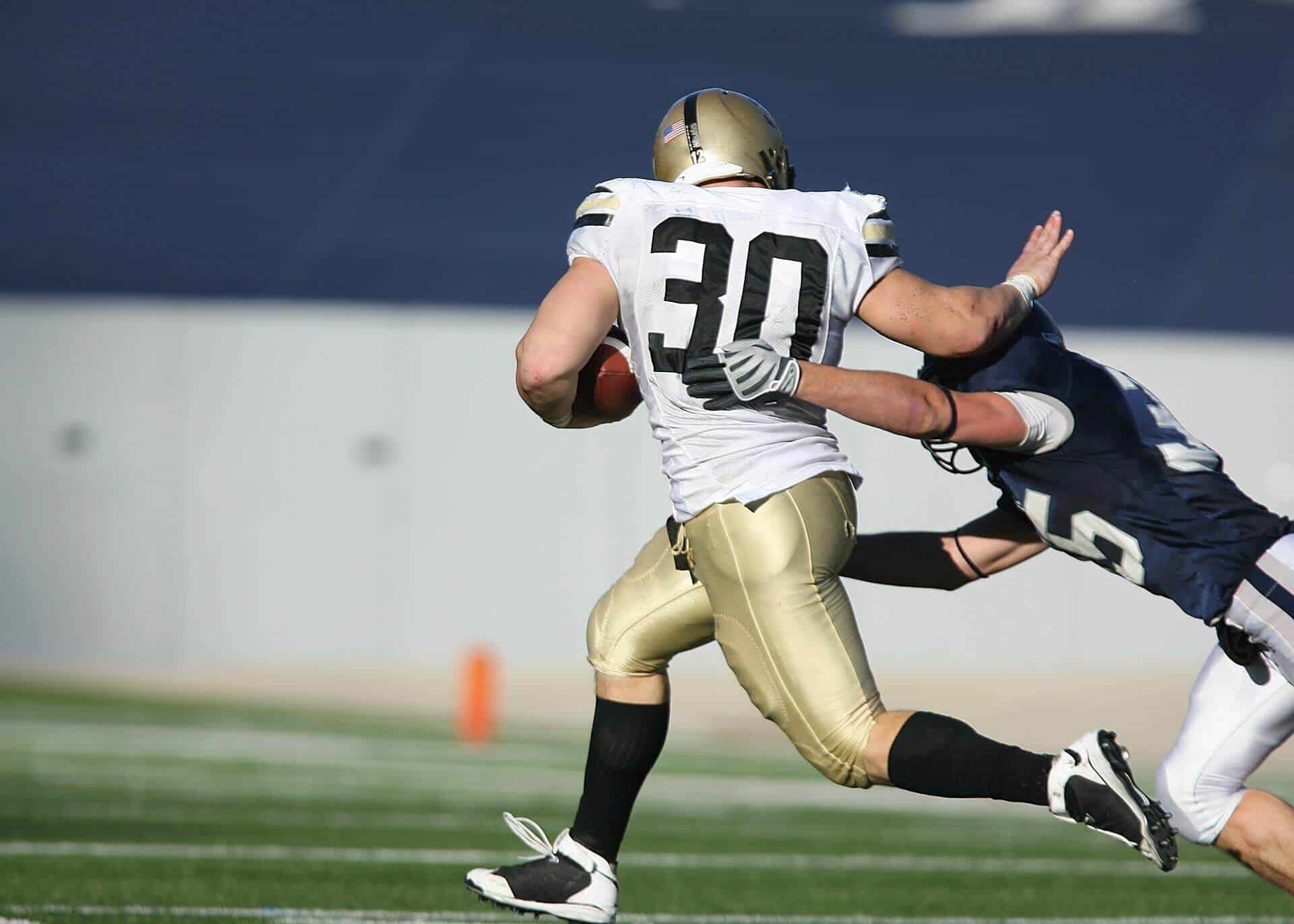
Here. We. Go.

YB: What are your thoughts on genetics and speed? How much does the former influence the latter? And what can you do as an athlete if you’re not blessed with a relatively high distribution of fast-twitch muscle fibers at birth?

TH: ACTN-3 or Alpha-actinin-3 is being deemed as the speed gene by some and genetics are influential to adaptation and progress, no doubt.

This speed based gene manufactures a protein found specifically in fast twitch skeletal muscle fibers that serves various roles in human running speed. I've read some information that every high level olympic sprinter that was tested for the gene came back positive.

With that being said, far too many athletes fall into the trap of blaming their alleged poor genetics or whatever else, even though they haven't been specifically tested.

Also, many athletes respond very well to speed training and make great progress who have poor baselines when they start. The genetic issue weeds itself out naturally at the elite levels and most of us fall somewhere in the middle.

The reality is that even if someone has a poor predisposition to running fast, there is so many channels in the nervous system and muscles that athletes and coaches can capitalize on to become faster through training and nutrition and proper recovery methods.

Hormone levels, muscle growth, muscle recruitment, and so much more contribute to someone's speed and everyone can utilize these features to their benefit and become faster. I've seen it too many times in athletes who came in who I'm quite confident were poor responders genetically.

YB: Let’s dive into sprinting technique for a moment. What are some typical technique flaws athletes make when trying to run fast that slow them down without them even realizing it?

Continue Reading

Speed Training Interview With Travis Hansen – Part 2

This is the second part of my interview with strength and conditioning coach Travis Hansen.

It's kinda like Rambo: First Blood Part II... only more violent.

So with the mandatory disclaimer out of the way, let's pick up right where we left off...

YB: You and I share a similar training philosophy in that we both advocate heavy strength training for making guys faster. Why is maximal strength so important for developing speed?

TH: The first reason is just simple physics.

The more force you create in your neuromuscular system the faster you run, period.

Of course there is time and directional factors here that you have to consider, but there is as much real world evidence to support more strength for faster running as just about anything training related from what I have seen so far. There is about a half dozen studies in my book to support this relationship, and I've located quite a few more since publication.

If you aren't strong enough to overcome the weight of your body you can't get any momentum going and move faster, and since athletes are constantly required to initiate movement from very low speeds or still positions the need for strength becomes absolutely critical to perform and compete at a higher level.

YB: What would be your TOP 5 lower body strength exercises for speed development? And why did you choose those?

Continue Reading

Speed Training Interview With Travis Hansen – Part 1

To kick off the week in style, I have a special interview with fellow strength and conditioning coach, Travis Hansen.

You may have read his speed training book, or come across his training articles in Men's Fitness and on Stack and T-Nation.

Today I'm gonna grill have a chat with him about how to make athletes faster.

Let's dive right in...

YB: Travis, first of all thanks for doing this, and let's get started with you telling everyone a bit about yourself.

What’s your educational and athletic background? Experience in the strength and conditioning industry? What types of athletes do you work with?

TH: Well Yunus, I have been in the training game for about 12 years now.

I have a few different recognizable training certifications, a college degree, and I played sports since the age of 5. Initially I participated in Tae Kwon Do when I was younger and then migrated into the conventional sports scene, playing basketball, baseball, and football every year until I graduated high school.

I've worked as the Head Strength and Conditioning Coach for the NBA development team here in Reno, been a strength coach for a collegiate golf team, and now work with an array of mostly team sport athletes at the collegiate, high school, and youth levels, and write on a near daily basis.

YB: In your book The Speed Encyclopedia, you explain how team sport athletes should train for improved speed.

Without giving the whole book away, what are some of the most important concepts for getting faster on the field or pitch?

Continue Reading

5 Deadlift Variations for Replacing the Conventional Deadlift

Many athletes (and non-athletes) struggle with the conventional deadlift.

They don't know how to stay tight.

They can't maintain a neutral spine.

And they often don't realize how bad their lifting form gets under heavy, and sometimes not-so-heavy, loads.

Here's the kicker, though..

Unless you're a powerlifter or Olympic lifter, you don't HAVE TO pull from the floor with a straight bar.

There are other alternatives for getting bigger and stronger that pose less of an injury risk - like the sumo deadlift off pins in a power rack.

I talk about five great deadlift alternatives in my new article on STACK.com. Check it out here:

Struggling With Deadlifts? Try These Alternative Exercises

1 2 3 8
>